Understanding Dance Fundamentals
Dance is not just a form of expression; it is an intricate craft that combines technique, creativity, and emotional depth. At kineticsynergydancecompany.com, we delve into the various elements that constitute dance knowledge, addressing both novice dancers and seasoned performers. This exploration of dance fundamentals is essential for anyone looking to enhance their skills, whether for personal enjoyment or professional aspiration.
What Are the Core Techniques in Dance?
The core techniques in dance vary by style, but certain principles are universally applicable. Understanding the foundations of posture, alignment, and movement mechanics is critical for any dancer. Key techniques include:
- Pliés: A fundamental bending of the knees essential for balance and flow.
- Turns: Spinning movements that require core strength and control.
- Jumps: Elevation techniques that focus on timing and precision.
- Footwork: The basis for rhythm and style, varying significantly across dance forms.
Mastering these techniques not only enhances performance but also prevents injuries by promoting proper body mechanics.
Common Misconceptions About Dance Styles
Misunderstandings about various dance styles can deter individuals from exploring their interests. A prevalent myth is that some styles, like ballet, are only for young children or those with innate talent. In reality, dance is accessible to all ages and backgrounds. Another misconception is that hip-hop or contemporary dance lacks the structure of classical forms. In truth, each style has its own set of rules and techniques that require dedication and practice.
Importance of Body Conditioning and Flexibility
Engaging in body conditioning and flexibility training is vital for any dancer. These practices not only improve performance but also enhance overall health. A well-conditioned body can better endure the physical demands of dance, while flexibility reduces the risk of injuries. Incorporating strength training, stretching routines, and cross-training activities like yoga can significantly benefit dancers.
Choosing the Right Dance Style
With a plethora of dance styles available, choosing the right one can be daunting. Understanding your personal preferences and physical abilities is crucial in this process. From ballet to breakdancing, each genre offers unique expressions and techniques that may resonate differently with individuals.
Overview of Popular Dance Genres
Popular dance genres include:
- Ballet: Characterized by its rigorous techniques and grace.
- Jazz: Known for its energetic and expressive nature.
- Hip-Hop: A vibrant style rooted in street culture and improvisation.
- Contemporary: A blend of various styles focusing on fluidity and personal expression.
- Tap: Utilizing rhythmic footwork to generate sound as a form of musical expression.
Each genre not only demands specific skills but also offers different emotional outlets and performance opportunities.
How to Identify Your Personal Dance Style
To determine your ideal dance style, consider your personality, interests, and physical capabilities. Experiment with different genres through classes or workshops to find what resonates. Additionally, observing various performances can provide insights into what styles appeal to you most. Engaging with fellow dancers can also help clarify your preferences.
Adapting Dance Styles to Different Performance Contexts
Different performance contexts may require adaptations of dance styles. For example, a ballet performance in a theater may necessitate more dramatic presentations, while a hip-hop routine for a street festival could emphasize improvisation and crowd engagement. Being adaptable and versatile as a dancer is essential for success in various settings.
Effective Practice Strategies for Dancers
Structured practice is key to a dancer’s growth and proficiency. Developing a tailored regimen that incorporates various elements of dance training is crucial for mastering your craft.
Creating a Structured Dance Training Regimen
A well-rounded dance training regimen should include:
- Warm-ups: Prevent injuries and prepare the body for movement.
- Technique practice: Focus on core movements and skills needed for your chosen style.
- Repertoire: Work on choreography for performances or auditions.
- Cool-downs: Essential for recovery and flexibility maintenance.
Consistency is vital; setting aside dedicated time for each component fosters significant improvement over time.
The Role of Teamwork in Dance Rehearsals
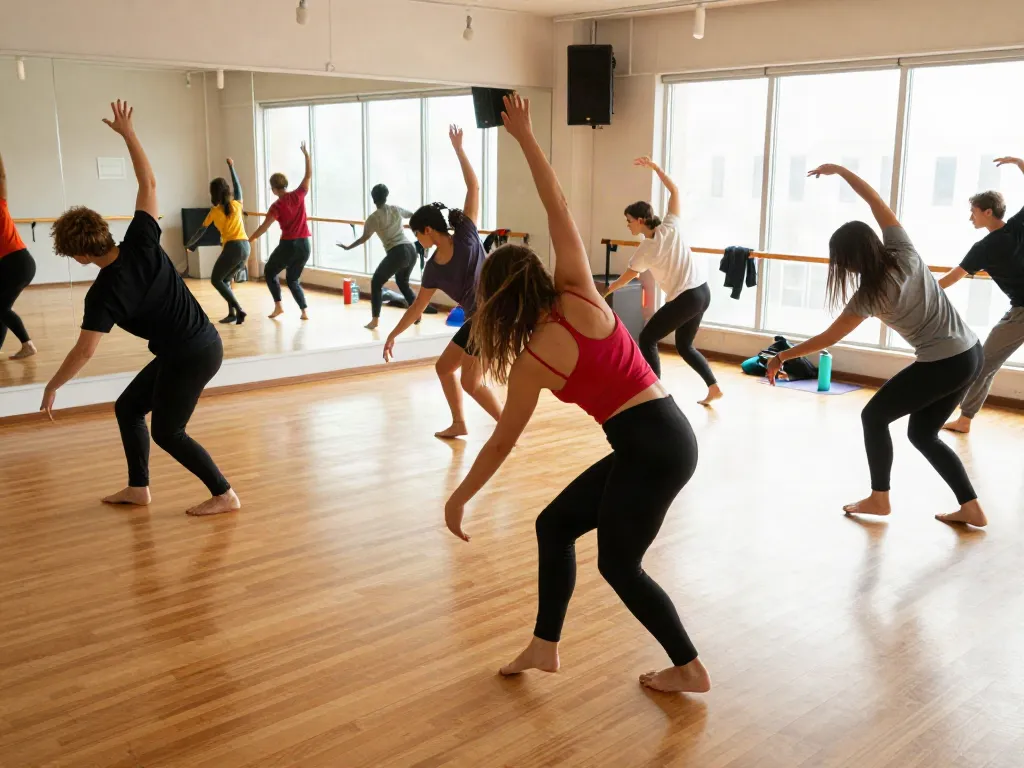
Dance often relies on collaboration and teamwork. In group settings, fostering a supportive atmosphere leads to better synchronization and performance quality. Effective communication among dancers and choreographers enhances the rehearsal process, allowing for constructive feedback and development.
Using Technology for Dance Training Enhancement
Technology plays a transformative role in dance education and practice. Online tutorials, video analysis software, and performance feedback apps allow dancers to improve their skills in ways that were not previously possible. Social media platforms also provide opportunities for sharing progress and connecting with dancers globally.
Incorporating Performance Techniques in Dance
Dance performance is not solely about executing steps; it encompasses emotional expression and audience engagement. Developing performance techniques can elevate a dancer's stage presence and overall impact.
Building Stage Presence and Confidence
Stage presence is crucial for captivating an audience. Dancers can enhance their presence through practice and experience. Tools such as visualization techniques and positive affirmations can boost confidence, helping performers connect with their audience while on stage.
Choreographic Elements that Enhance Performance
Choreography plays a significant role in performance. Incorporating elements such as storytelling, character development, and varied dynamics can make a performance more engaging. Dancers should understand the narrative behind their dance piece and portray it vividly through their movements and expressions.
Tips for Overcoming Stage Fright and Nervousness
Many dancers experience stage fright. Strategies to combat this include thorough preparation, deep breathing exercises, and focusing on the joy of performing rather than the fear of judgment. Visualization techniques can also help; imagining a successful performance can significantly ease anxiety.
Future Trends in Dance for 2026 and Beyond
The world of dance is ever-evolving, influenced by cultural shifts, technology, and new styles emerging from global trends. Keeping abreast of these changes is essential for dancers to remain relevant and innovative.
Innovative Approaches to Dance Education
As we move toward 2026, dance education is increasingly prioritizing inclusivity and accessibility. Online learning platforms, community outreach programs, and adaptive dance classes are becoming more prevalent. This shift allows individuals of all abilities to experience the joy of dance.
The Impact of Technology on Dance Performances
Technological advancements, including augmented reality and interactive installations, are transforming live performances. Dancers and choreographers who embrace these technologies can create immersive experiences that captivate audiences in novel ways.
Emerging Dance Styles Influenced by Global Cultures
The globalization of dance has led to the emergence of new styles that blend traditional forms with contemporary influences. Styles such as K-Pop dance and Bollywood fusion showcase diverse cultural elements and appeal to broader audiences. Dancers should explore these trends to enhance their versatility and creativity.
What are the best ways to train for dance performance?
The best way to prepare for a dance performance includes integrating technique practice, rehearsing choreography, and engaging in emotional and physical conditioning. Dancers should also focus on building a supportive network of fellow performers to share insights and experiences.
How can technology enhance dance training?
Technology enhances dance training through online resources, performance analytics, and social media platforms that foster community and learning. Dancers can utilize video feedback to assess their techniques and refine their performances continuously.
What should beginners know about joining a dance company?
Beginners looking to join a dance company should focus on developing strong technical skills, being open to feedback, and demonstrating a commitment to collaboration and growth. Networking with peers and industry professionals can also open doors to opportunities within a company.
How to improve stage presence as a dancer?
Improving stage presence involves building confidence and emotional expression. Dancers should practice performing in front of mirrors and work on their expressiveness and connection with the audience, alongside ongoing technical training.
What are the latest trends in dance for 2026?
The latest trends in the dance industry for 2026 include a heightened focus on digital performances, a growing intersection with other art forms, and an increasingly inclusive approach to dance education and performance opportunities across diverse communities.