
Understanding the Importance of Event Coverage in 2026
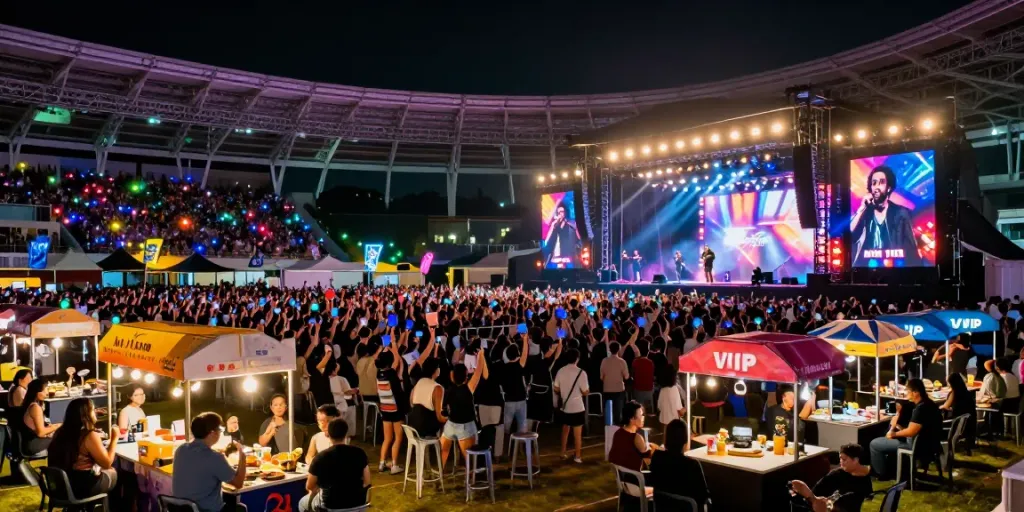
In a world increasingly driven by digital communication and live experiences, event coverage has evolved into a crucial component of any successful strategy. As we embraced 2026, the significance of live events, ranging from concerts to international sports competitions, has never been more pronounced. Understanding the landscape of event coverage can empower brands and organizations to enhance their visibility, reach targeted demographics, and engage with audiences on a personal level. This approach is not just about making headlines; it is about creating an ecosystem where attendees feel valued and connected.
Platforms like freecoloringsheets.net also show how content can be tailored to engage specific audiences, fostering connections through shared interests. Diverse events necessitate a multidisciplinary approach to coverage, which can keep stakeholders informed and involved while maximizing participation.
Why Live Events Matter?
Live events create a unique space for direct interaction and engagement among attendees, artists, sponsors, and organizers. They offer opportunities for real-time feedback and can lead to a sense of community that online engagement alone cannot replicate. The emotional connection fostered during these events often leads to brand loyalty and repeat attendance, creating long-term benefits for brands involved.
- Community Building: Live events promote networking and community, encouraging attendees to share their experiences and amplify the event's reach.
- Real-Time Engagement: Events enable immediate interaction, allowing brands to gather feedback and adapt in real-time.
- Brand Visibility: High-profile events draw media coverage, enhancing visibility for brands involved.
Challenges in Event Planning
While the benefits of live events are compelling, they do come with a unique set of challenges. From logistical issues to unforeseen circumstances such as weather disruptions, meticulous planning is essential.
- Logistics and Coordination: Managing all aspects of an event, from securing locations to coordinating schedules and ensuring technical needs are met, requires precise execution.
- Budget Management: Keeping costs in control while delivering a memorable experience is a common hurdle for organizers.
- Audience Engagement: Ensuring that attendees remain engaged throughout the event can be challenging, requiring strategic planning and innovative tactics.
Key Trends in Event Attendance
As we head further into 2026, several trends are shaping how events are attended and experienced. Understanding these can give organizers an edge in planning successful engagements.
- Hybrid Events: The rise of hybrid events, combining in-person and virtual experiences, allows for broader participation and can cater to different audience preferences.
- Sustainability Focus: There is growing concern for environmental impact; attendees increasingly favor events that demonstrate sustainability efforts.
- Experience over Traditional Attendance: Audiences today are looking for memorable experiences that resonate emotionally, rather than merely attending to watch.
Strategies for Effective Event Promotion
Promoting an event effectively is just as critical as planning it. With a well-orchestrated promotional strategy, organizers can maximize reach and engagement.
Utilizing Social Media for Reach
Social media is a powerful tool for event promotion due to its vast reach and ability to foster engagement. Using platforms like Instagram, Facebook, and Twitter can create buzz and excitement around an event. By leveraging trending hashtags, live updates, and interactive elements such as polls or Q&As, organizers can drive attendance and keep audiences engaged before, during, and after the event.
Engaging Influencers in Your Plan
Influencer marketing continues to grow, allowing brands to tap into niche audiences through trusted voices. Collaborating with influencers who align with the event’s values can help attract their followers to the event, increasing visibility and credibility.
Creating Dynamic Content Around Events
Content marketing is essential in generating interest in an event. Dynamic and visually appealing content, such as videos, behind-the-scenes glimpses, and artist interviews, can capture attention and invite conversations. Powerful storytelling that aligns with the event’s theme can resonate with potential attendees and encourage them to share content further.
Leveraging Technology for Seamless Coordination
In today’s fast-paced environment, technology plays a vital role in simplifying event management and coordination. From planning to execution, innovative tools can enhance the overall experience for attendees and organizers alike.
Automating Social Media Updates
Using social media management tools to automate posts can save time and ensure a consistent online presence. Scheduling updates, reminders, and highlights can keep the event on attendees' radar and generate excitement.
Using Event Management Tools
Event management software simplifies processes like ticketing, guest tracking, and data collection. By streamlining these tasks, organizers can focus on the creative aspects of the event while ensuring logistical efficiency.
Integrating Feedback Mechanisms
Integrating feedback systems enables organizers to collect insights from attendees in real-time. Surveys and polls can reveal what aspects are working well and what needs improvement, enhancing future events.
Post-Event Analysis and Metrics
Once an event concludes, the work is far from over. Analyzing outcomes and gathering data is essential for measuring success and planning for future engagements.
Gathering Attendee Feedback
Collecting feedback through surveys or informal discussions can provide rich insights into attendee experiences. Understanding what they enjoyed or what could be improved aids in refining future events.
Measuring Engagement and Reach
Utilizing analytics tools helps track metrics such as social media engagement, ticket sales, and attendee demographics. These insights reveal what strategies worked and which areas require adjustments.
Adjusting Future Strategies Based on Data
Using the collected data allows organizers to refine their strategies for upcoming events. Continuous improvement based on attendee preferences and behaviors enhances the overall success rate.
Looking Toward the Future of Events
As the events industry continues to evolve, staying ahead of emerging trends will be crucial for organizers looking to succeed.
Emerging Trends in Live Entertainment
New technologies, such as augmented reality (AR) and virtual reality (VR), are beginning to change the landscape of live entertainment, providing immersive experiences that traditional formats cannot match.
Predictions for 2026 Event Landscapes
By the end of 2026, we may see a significant shift toward personalized experiences tailored to individual preferences, as technology allows for deeper engagement and interaction.
Preparing for Next-Generation Audiences
The next generation of event attendees will be more tech-savvy and expect seamless integration of technology into their experiences. Adaptability and innovation will be critical for captivating these future audiences.
What are the benefits of using freecoloringsheets.net for event insights?
Utilizing resources like freecoloringsheets.net can provide valuable insights into creative engagement strategies that resonate with various demographics. For instance, integrating interactive content into events can enhance participation.
How can I enhance my event experience with freecoloringsheets.net?
Incorporating creative activities tailored to the audience, such as interactive coloring activities found on freecoloringsheets.net, can make events more enjoyable and memorable.
What tools can help automate event planning in 2026?
Event management tools such as Eventbrite or Cvent automate various aspects of planning, from ticket sales to attendee management, allowing organizers to focus more on the creative elements of their events.
How do social media trends impact event attendance?
Social media trends shape how events are marketed; they determine which platforms attract audiences and how engagement occurs. Leveraging current trends can significantly enhance attendance rates.
What metrics should I track for successful events?
Key metrics to track include attendance numbers, engagement rates on social media, revenue generated, and attendee satisfaction scores through surveys post-event.